Dry Eyes - take the test!
Remember when you did staring contests as kids – first to blink loses?
That was when you had lovely young eyes with a good-quality tear film. It didn't dry out too quickly, so you could resist the need to blink.
Here's some background about dry eyes – and at the end, there's a simple test to try!
Blinking is important!
Blinking will refresh the tear layer on the surface of your eye and all is well. When your tear film is less stable on the surface of your eye, it dries out faster between blinks and then your eye surface is dry.
Dry eye symptoms
The tear film is there for comfort and optical clarity. So if your tear film quality is not so good then you’ll notice
Feelings of stinging, burning, gritty or just sore
Watery eyes as the emergency reflex tears try to compensate
Smeary smudgy vision
Some people will not be able to describe it beyond just saying my eyes feel tired.
Then it can become a vicious circle of dryness, inflammation on the surface and can lead to damage to the ocular/eye surface.
What can make dry eyes worse?
The list is long, and includes
Eyelid conditions that reduce the quality of the oily layer of the tear film
Environment that is drying - heating and fans, or a windy Wellington day
Screen time- blink rate is slower when you concentrate hard
Hormone changes - yip menopause does not help
Poor sleep
Some oral medications including commonly taken anti-histamines
Previous eye injuries or some autoimmune conditions
What can you change to help your dry eyes?
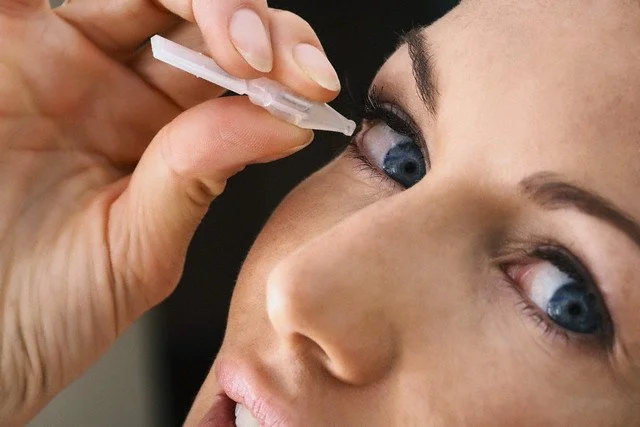
Most people start with using lubricating eye drops that supplement the tear film. Some of these are better than others - for people who need lubricating drops regularly, preservative-free formulations are generally preferable, particularly when drops are being used frequently
Just because an eye drop is cheap, doesn’t make it good for your eyes.
If just occasionally you need to use a lubricating eye drop, then the single use options are perfect, and you won’t need to do much more.
But for those people needing to use lubricating drops routinely at least twice a day, this is where it gets interesting. Assessment with our optometrist will help with diagnosing the underlying causes and then help with a management plan.
Eyelid conditions such as blepharitis will make dry eyes worse and need to be treated - NOT with baby shampoo that just strips off the good oils you already have
Improving tear film quality with warm compresses and gentle lid massage
For some people, dietary changes or omega-3 supplementation may be helpful, depending on the underlying cause of their dry eye.
Clear vision with up to date glasses correction so that you are not staring so hard to see
Blinking more?
On average we blink 12 times a minute, mostly spontaneous, we don’t realise we are.
We also blink as a reflex to something startling us, and we can voluntarily blink.
Many people are “lazy blinkers” especially when working on screens. Either the blink rate is slower or incomplete closing, so only part of the eye surface has a refreshed tear film.
For screen workers, consciously blinking can help. Try the following:
Close - pause 2 seconds - open and relax your eyes, followed by another close- pause - squeeze eyes closed to activate the oily lid glands - open and relax.
Think “sorry we’re closed” for a moment!
💧 THE DRY EYE BLINK TEST
Blink twice. Then open your eyes and start counting.
How long can you comfortably keep your eyes open without needing to blink?
10 seconds? 20 seconds? Longer?
Notice how your eyes feel as you go.
If you experience dryness, burning, stinging, grittiness or blurred/smeary vision quite quickly, it may be worth having your eyes assessed by an optometrist.