
Kids & Screens – Finding the Right Balance for Growing Eyes
Parents often ask us at Visique CapitalEyes Optometrists in Karori about screen time for children. It can feel like a daily battle — and as with most things in parenting, it’s really about finding the right balance. (Just like too much chocolate isn’t ideal either!)
Screens are now part of everyday life for families. Smartphones, iPads, laptops and school devices are normal for our kids, and technology brings real benefits — learning, creativity and connection. At the same time, it’s sensible for parents to think about how screen use affects their child’s vision and eye health, especially while young eyes are still developing.
How does screen time affect children’s eyes?
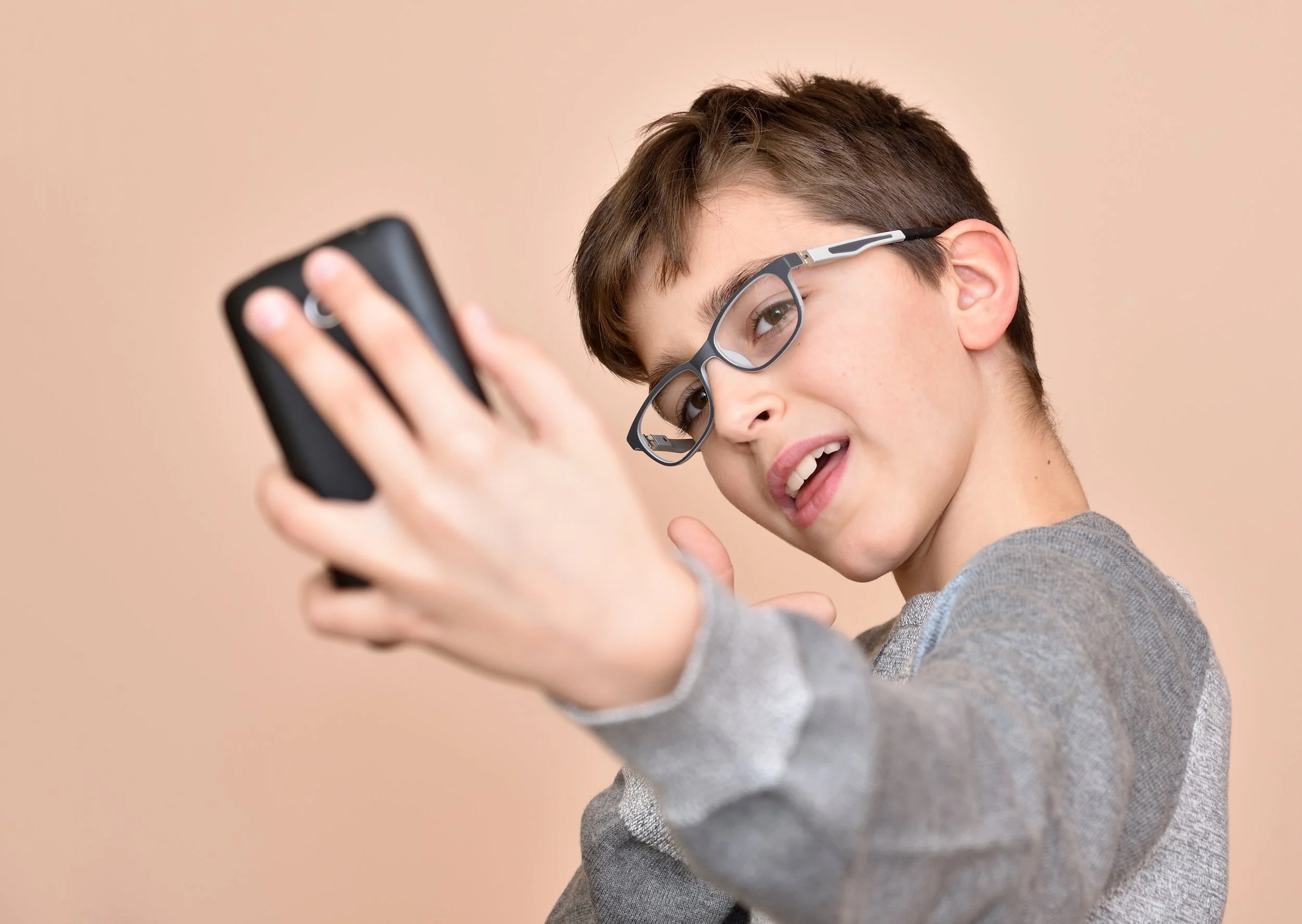
It’s no secret that prolonged screen use can strain our eyes. Children’s eyes are more vulnerable than adults’ because they are still growing and adapting. Extended screen time can lead to symptoms such as:
Sore, dry, itchy or red eyes
Blurry vision
Headaches
Difficulty focusing
Some of these symptoms are temporary, but certain habits — particularly long hours of close work with limited outdoor time — can increase the risk of myopia (short‑sightedness) in children.
Large international studies have shown that the risk of myopia rises sharply after more than one hour of screen time per day, while spending around two hours outdoors daily helps protect young eyes. Simply put: if kids are on screens for several hours, they’re usually not outside — and outdoor time is incredibly important for eye development.
Common questions parents ask us
“My child spends so much time on devices — is it bad for their eyes?”
Potentially, yes — especially if screen time replaces outdoor play and regular breaks. Balance is key, along with good habits and regular eye checks.
“How close should my child hold a phone or iPad?”
Just like reading a book, devices should not be too close. A simple rule is the knuckle‑to‑elbow test:
Place your knuckle on your chin
The screen should sit roughly at your elbow
It’s an easy distance for children to check themselves — and for parents to ask “Is that too close?”
For watching a movie, choose the TV screen across the room, rather than the closer hand held device.
“Will screen time cause sore eyes?”
Quite possibly. Any prolonged, concentrated visual task can lead to eye strain. Regular breaks help, but it’s also important to rule out other causes such as:
Astigmatism or long‑sightedness (hyperopia)
Dry eye
Focusing or eye‑teaming difficulties
A comprehensive eye exam can identify whether anything else is contributing.
“What about blue light and blue‑light glasses?”
Screens emit blue light, which can interfere with sleep — especially if devices are used before bedtime. While there is no strong evidence that blue light causes permanent eye damage, it can contribute to visual discomfort and disrupted sleep patterns.
Ways to reduce blue light exposure include:
Adjusting screen settings or night mode
Reducing screen time, especially in the evening
Prescription glasses with blue‑light filtering (when clinically appropriate)
For younger children, reducing screen time is usually the healthiest option. There isn’t sufficient evidence to recommend non‑prescription blue‑light glasses for all children.
Screen time guidelines for children
Based on recommendations referenced by the New Zealand Paediatric Society, general guidance includes:
Under 2 years: no screen time
Ages 2–5: minimal screen time, with sessions up to 15 minutes
Ages 6–12: limited classroom use, sessions up to 20 minutes, and no more than one‑third of the school day
Ages 13–18: regular eye breaks every 20 minutes and frequent task changes

How parents can protect their child’s eye health
Follow the 20‑20‑20 rule
Every 20 minutes of screen use, take a 20‑second break and look at something about 6 metres away (the rule says 20 feet — it really just means “look far away”).
Encourage outdoor play
Spending time outdoors every day helps reduce the risk of developing and progressing myopia. Parks, bike rides, sports, walks — it all helps young eyes.
Create a screen‑free wind‑down before bed
Aim for no screens at least one hour before bedtime. Reading, drawing or quiet play helps sleep quality by allowing natural melatonin production.
Adjust screen settings
Use night mode or blue‑light filters, especially in the evening, to reduce visual strain.
Schedule regular eye checks
Routine eye examinations are essential for children. If you notice squinting, headaches, difficulty reading, or blurred vision, an eye exam can make a big difference — especially when issues are picked up early.
Why screens aren’t all bad
We’re not aiming for “no screens” — there are real positives when technology is used well:
Educational learning: Apps and online tools can support literacy, maths and curiosity
Social connection: Older children stay connected with friends and family
Creativity: Digital drawing, music and creative apps can spark new interests
The key is balance.
Our practical advice as optometrists (and parents)
For primary‑aged children, we generally recommend around one hour per day of recreational screen time outside of school. Interestingly, when screen time is limited, kids often focus more deeply on what really interests them.
Helpful household habits include:
Turning off home Wi‑Fi overnight
Keeping phones out of bedrooms
No phones at the dinner table
Parents leading by example (kids notice everything!)
Screen balance works best when it’s “do as I do” rather than “do as I say”.
Outdoor time with children can be fun for the whole family — gardening, watching sport, walking to a café, or bouncing on a trampoline. We really can have both digital time and outdoor time — and it’s good for everyone.
If you’d like personalised advice or a children’s eye examination, our friendly team at Visique CapitalEyes Optometrists in Karori is here to help.